Help me Choose
my Water Pump.
Compare the specifications of your chosen water pumps to determine the right fit for your application.
Couldn't load pickup availability
Honda GX390
389
37
580
Industrial
95'
26'
Engine: 3 Yrs • Pump: 2 Yrs
69'
Product
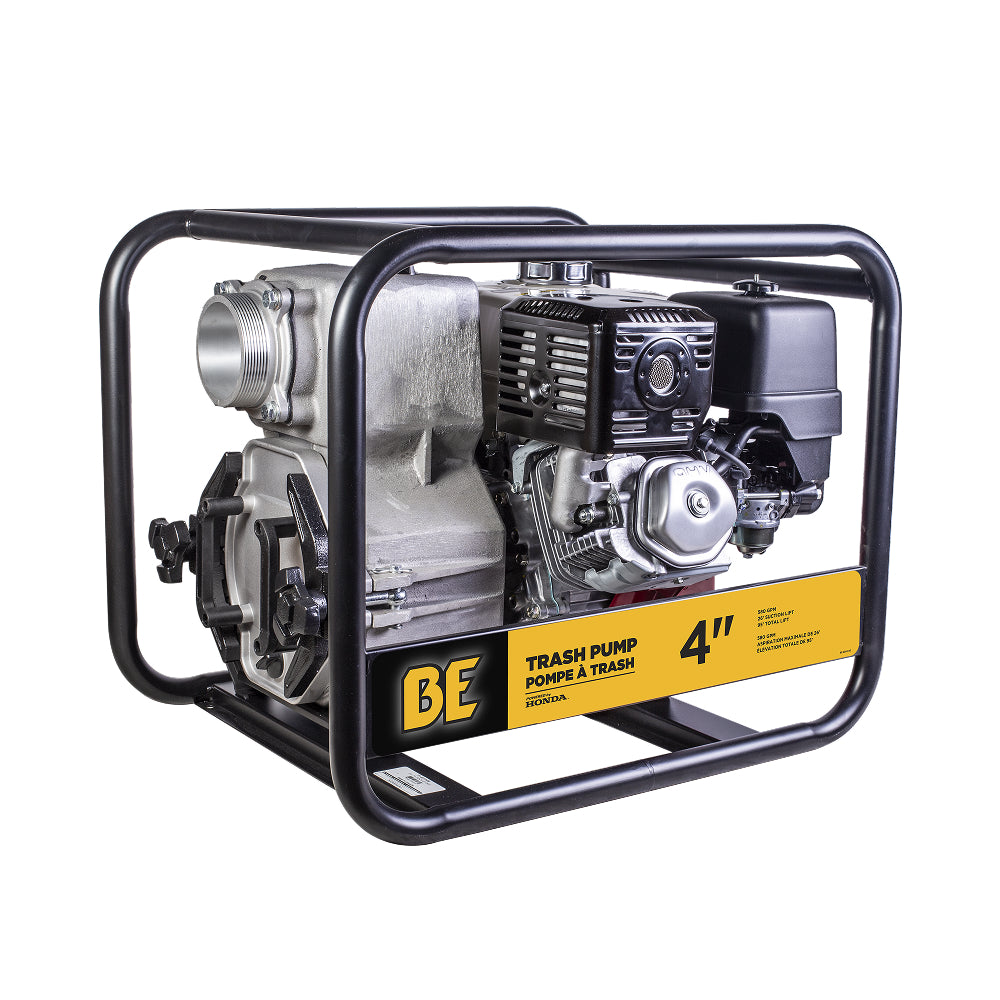
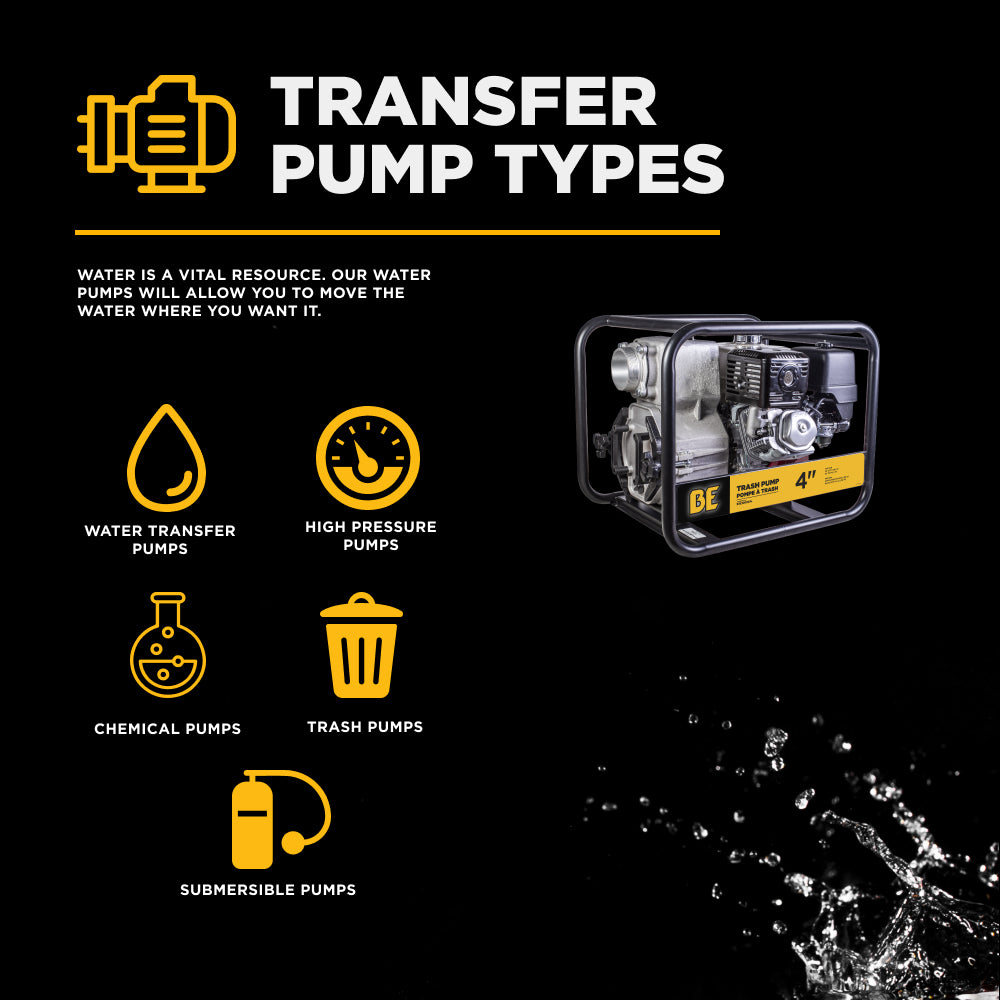
This heavy-duty reinforced trash pump is engineered to handle water filled with dirt, grit, debris, and rocks, making it ideal for construction sites, flood control, municipal work, agriculture, and rental fleets operating in harsh conditions.
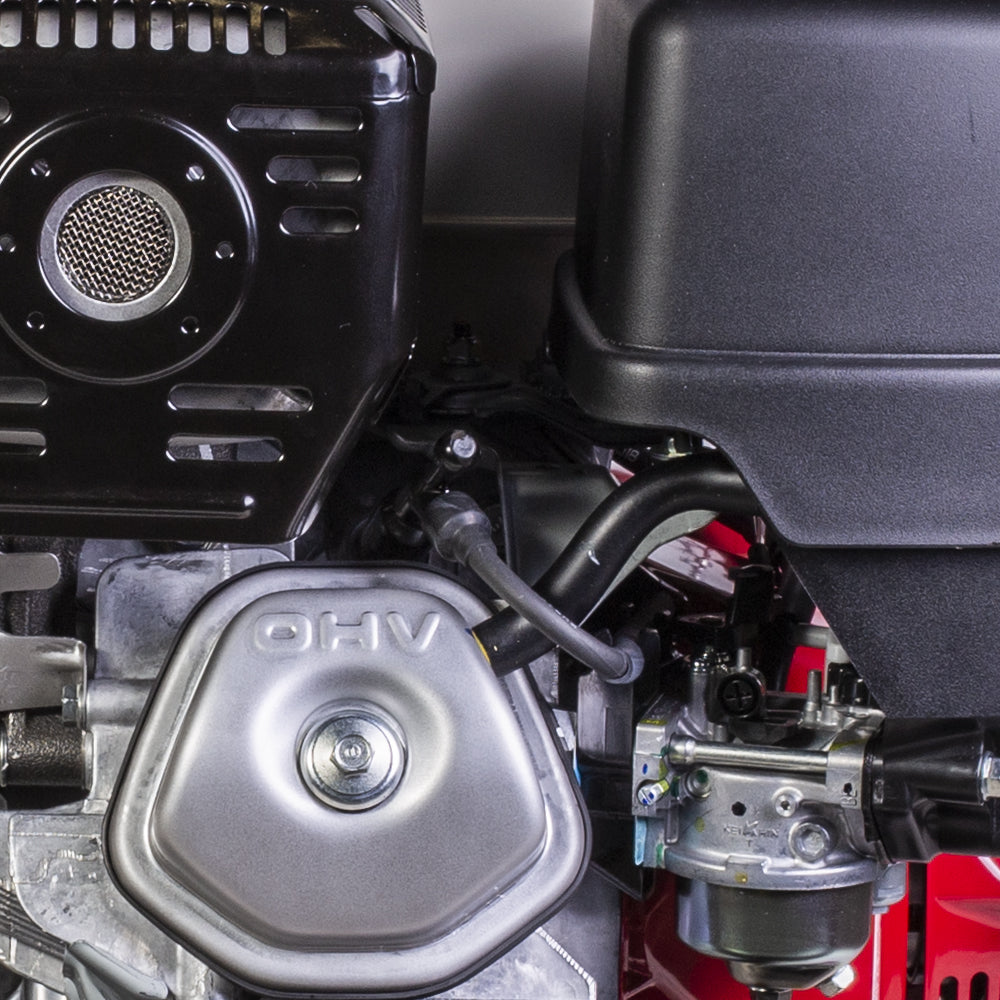
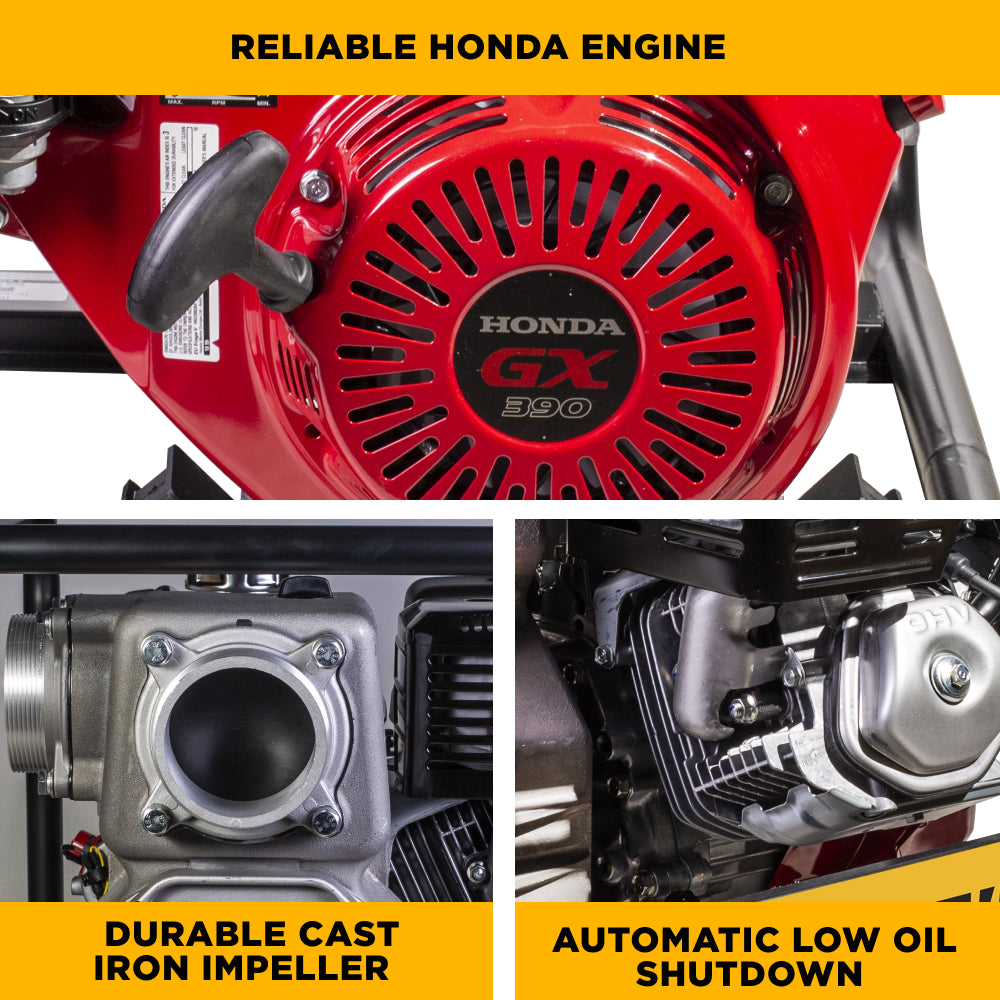
Powered by the industrial-grade Honda GX390 engine (389cc), this pump delivers exceptional power with an outstanding weight-to-performance ratio. Designed for all-day, everyday use, the GX390 provides reliable starting, consistent output, and long service life in demanding environments.
Note: Actual product may vary slightly from images shown on the website.
Heavy-Duty Trash Pump Design – Handles dirty water with rocks and debris
Honda GX390 Engine (389cc) – Proven commercial power for continuous operation
Reinforced Aluminum Pump Body – Built for strength while managing overall weight
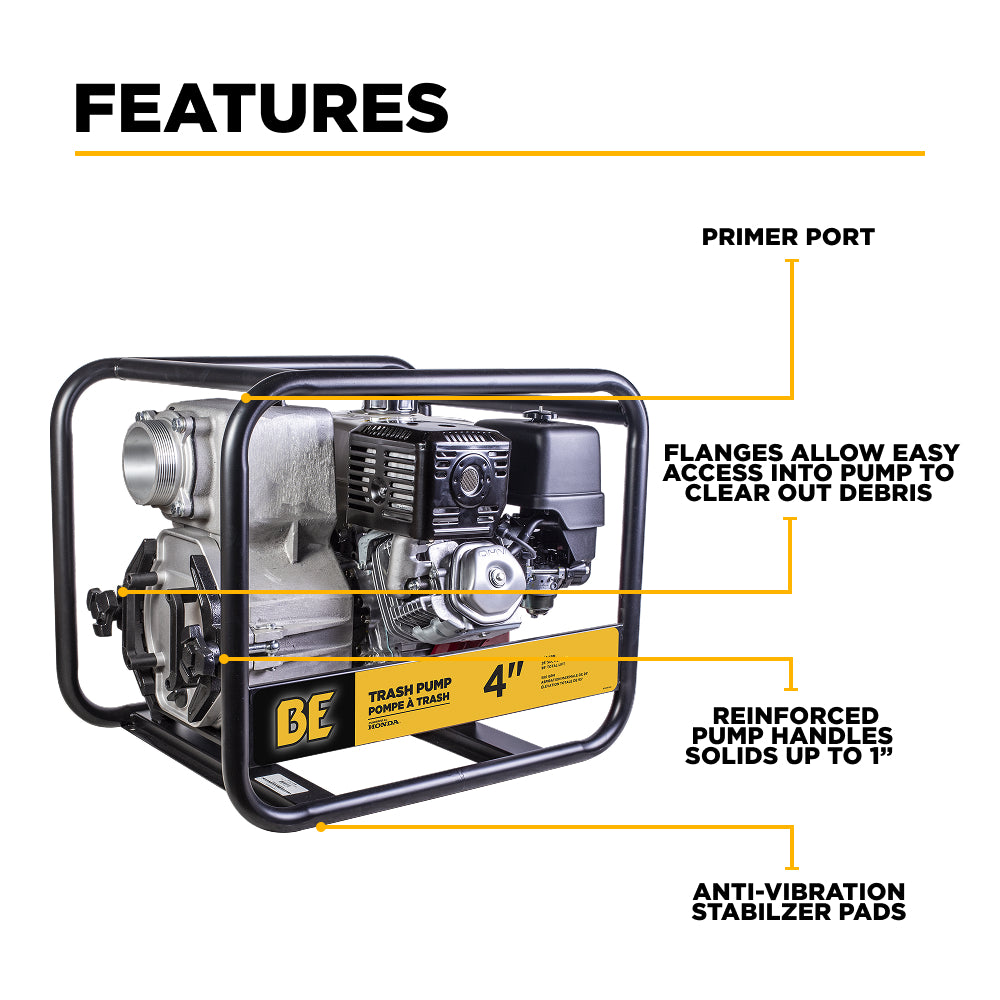
Cast Iron Impeller – Handles solids up to 1" in diameter
Quick-Access Clean-Out Flanges – Fast pump body access for debris removal and maintenance
Powder-Coated Steel Roll Cage Frame – Protects components and improves durability
Ergonomic Carry Handles – Easier maneuvering on tough jobsites
Built-In Data Plate – Provides essential operating and maintenance information
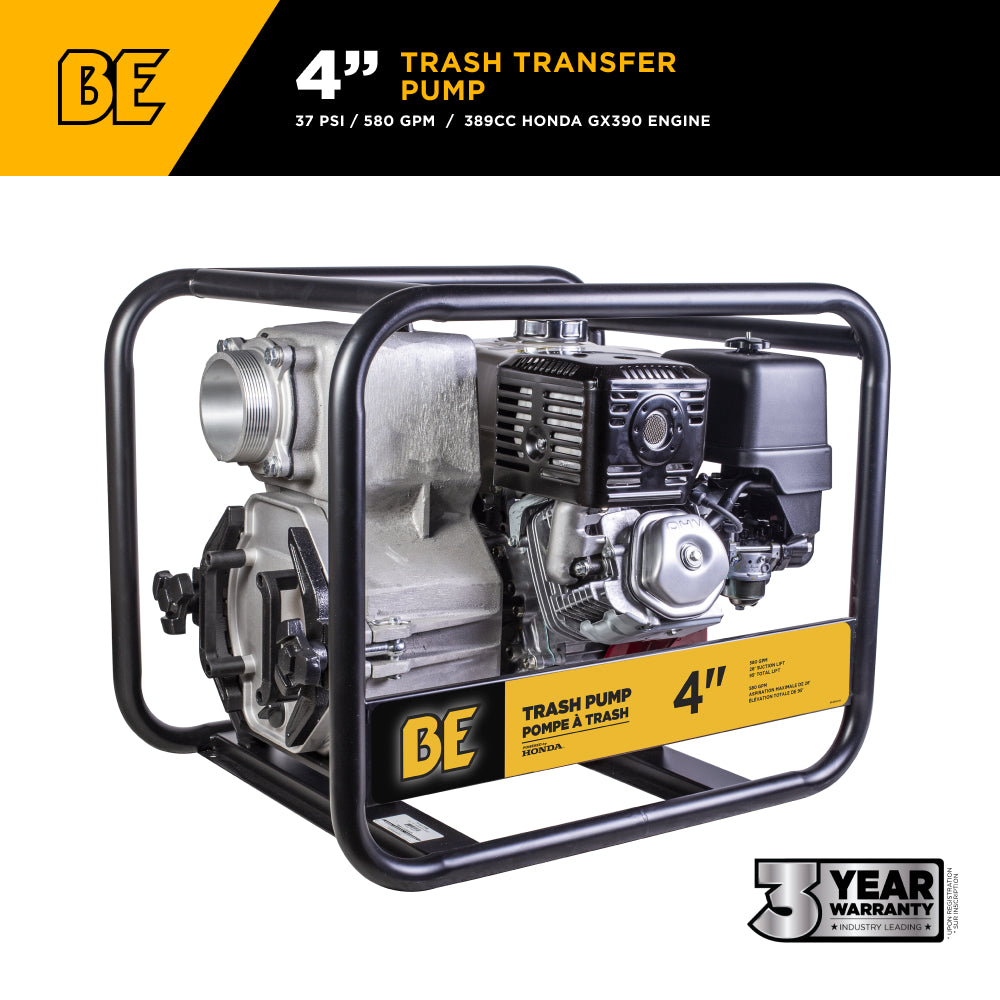
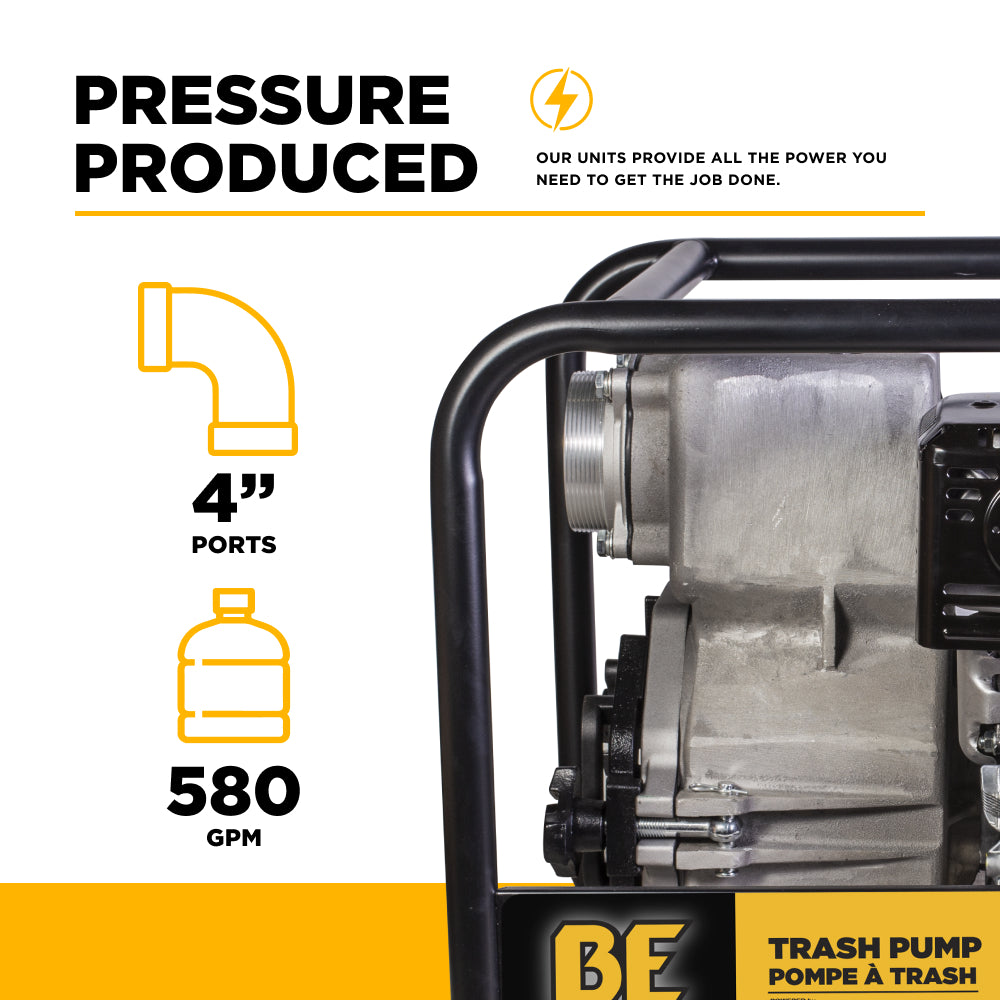
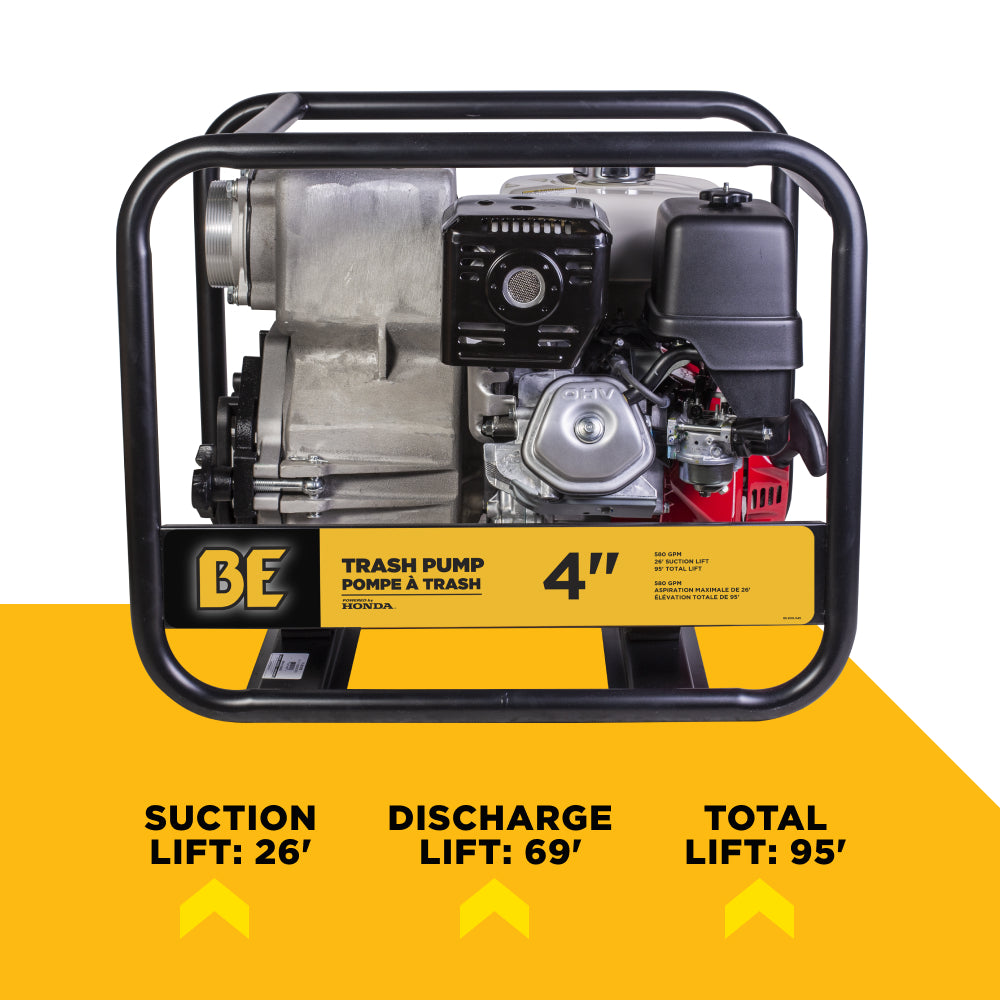
Flow Rate: Up to 580 GPM
Maximum Pressure: 37 PSI
Suction Lift: 26 ft
Discharge Lift: 69 ft
Total Lift: 95 ft
This high-flow, high-lift combination makes the pump ideal for large-volume dewatering, excavation drainage, flood response, and heavy debris water transfer.
The combination of a reinforced aluminum pump housing, cast iron impeller, and industrial steel roll cage ensures this pump can withstand abrasive materials and rough handling. The quick-access clean-out design minimizes downtime, allowing operators to clear debris and return to work quickly.
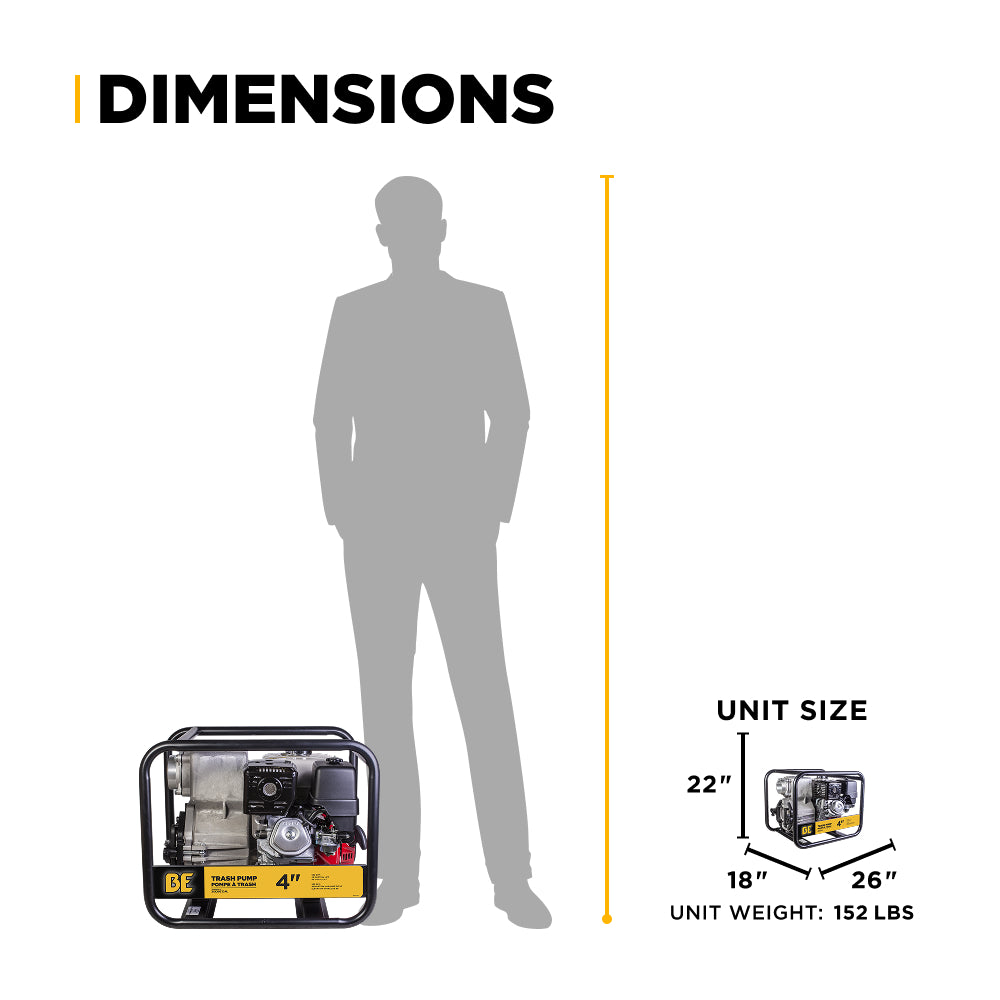
Weight: 152 lbs
Dimensions (L × W × H): 26” × 18” × 22”
Shipping Weight & Dimensions: 152 lbs • 26” × 18” × 22”
Engine: 3 Years
Pump: 2 Years
When conditions demand maximum flow, durability, and debris-handling capability, this Honda GX390-powered trash pump delivers the performance professionals rely on to move dirty water fast and efficiently.
Compare the specifications of your chosen water pumps to determine the right fit for your application.

|
Engine
|
Honda GX390 | - | - |
|
CC
|
389 | - | - |
|
PSI
|
37 | - | - |
|
GPM
|
580 | - | - |
|
Series
|
Industrial | - | - |
|
Warranty
|
Engine: 3 Yrs • Pump: 2 Yrs | - | - |
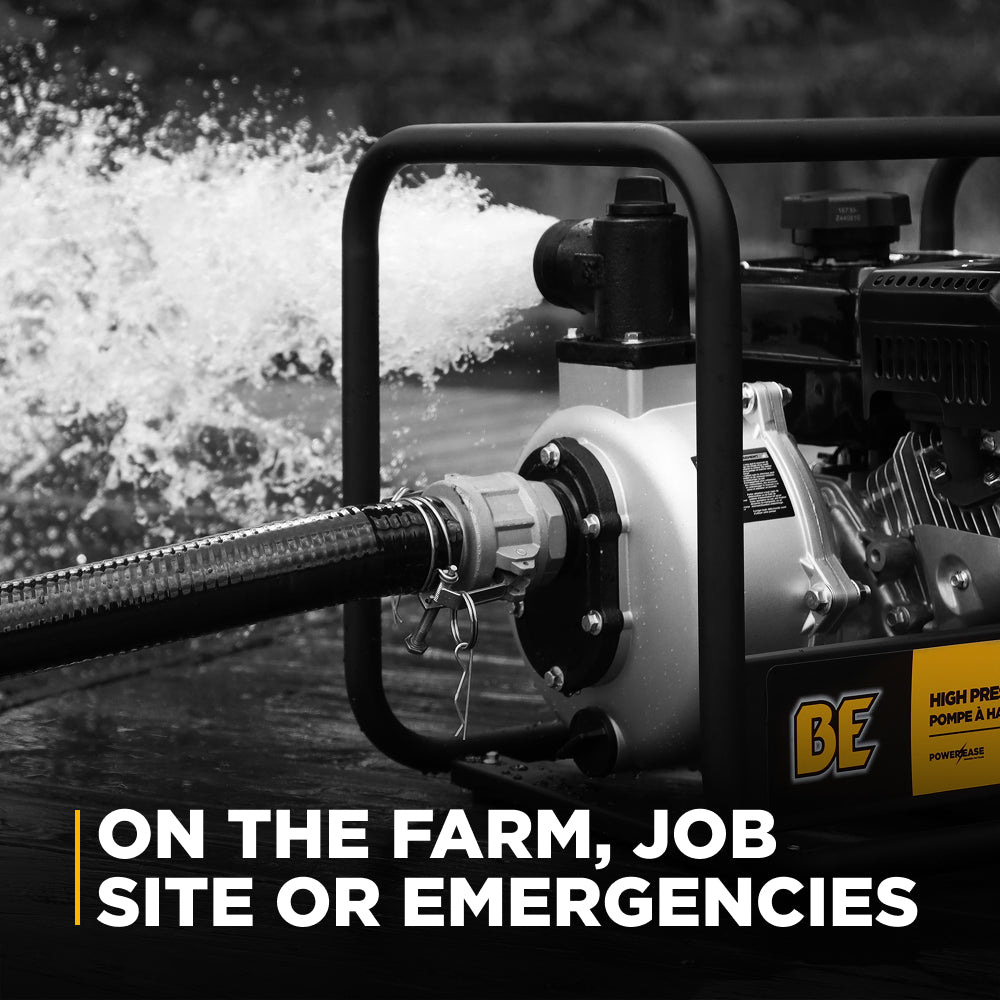
BE Power Equipment water transfer pumps are ideal for moving clean or lightly dirty water—perfect for draining flooded areas, filling livestock tanks, irrigating fields, and transferring water between containers or holding tanks.
Standard BE water transfer pumps are designed for clean or slightly muddy water. If you need to pump water with solid debris, we recommend a BE semi-trash or trash pump, built specifically for that purpose.
Consider the discharge size (1" to 4"), flow rate (GPM), total head (lift distance), and application. For small tasks, a 1" or 2" model is great. For high-volume jobs, a larger pump with more GPM may be more efficient.
Yes. All BE water transfer pumps must be primed by filling the pump housing with water before starting the engine. This helps remove air and allows proper suction.
No. Running the pump dry can damage the seals and impeller. Always ensure the pump is primed and has a water source before starting.
BE water transfer pumps are powered by reliable Powerease or Honda gas engines, offering consistent performance, easy starting, and long service life.
BE pumps can lift water vertically up to 25–30 feet and move it horizontally for hundreds of feet, depending on the model and hose diameter. Check the pump's maximum head rating for specifics.
No. BE’s general-purpose water transfer pumps are not rated for potable water. Use only certified potable water pumps for any drinking or food-safe water transfer applications.
BE pumps powered by Powerease or Honda engines run on unleaded gasoline. Always follow the engine owner's manual for fuel and oil specifications and avoid using fuel with more than 10% ethanol.