




Help me Choose
my Inverter.
Compare the specifications of your chosen inverters to determine the right fit for your application.
Couldn't load pickup availability
VTEK 160
160
Commercial
2.4 L/HR (0.6 GAL/HR)
Recoil & Electric
3,800
4,700
120


Product
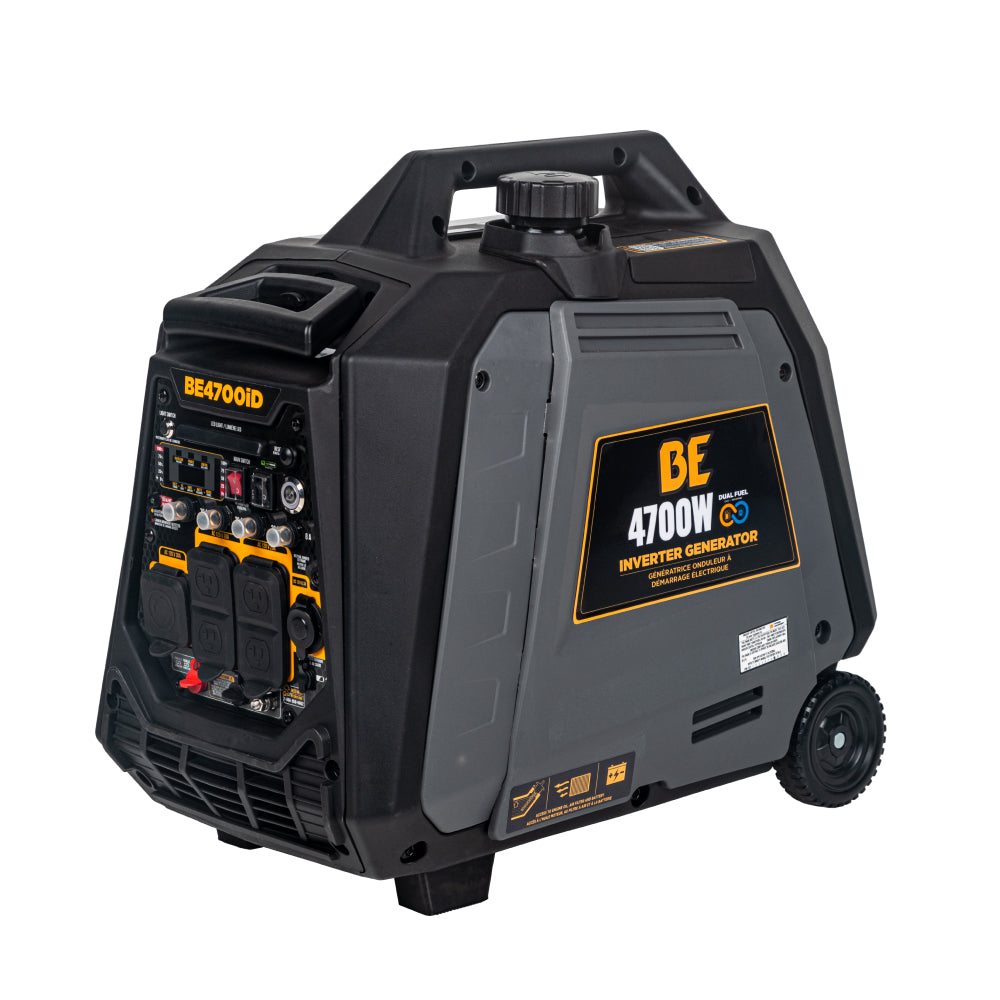
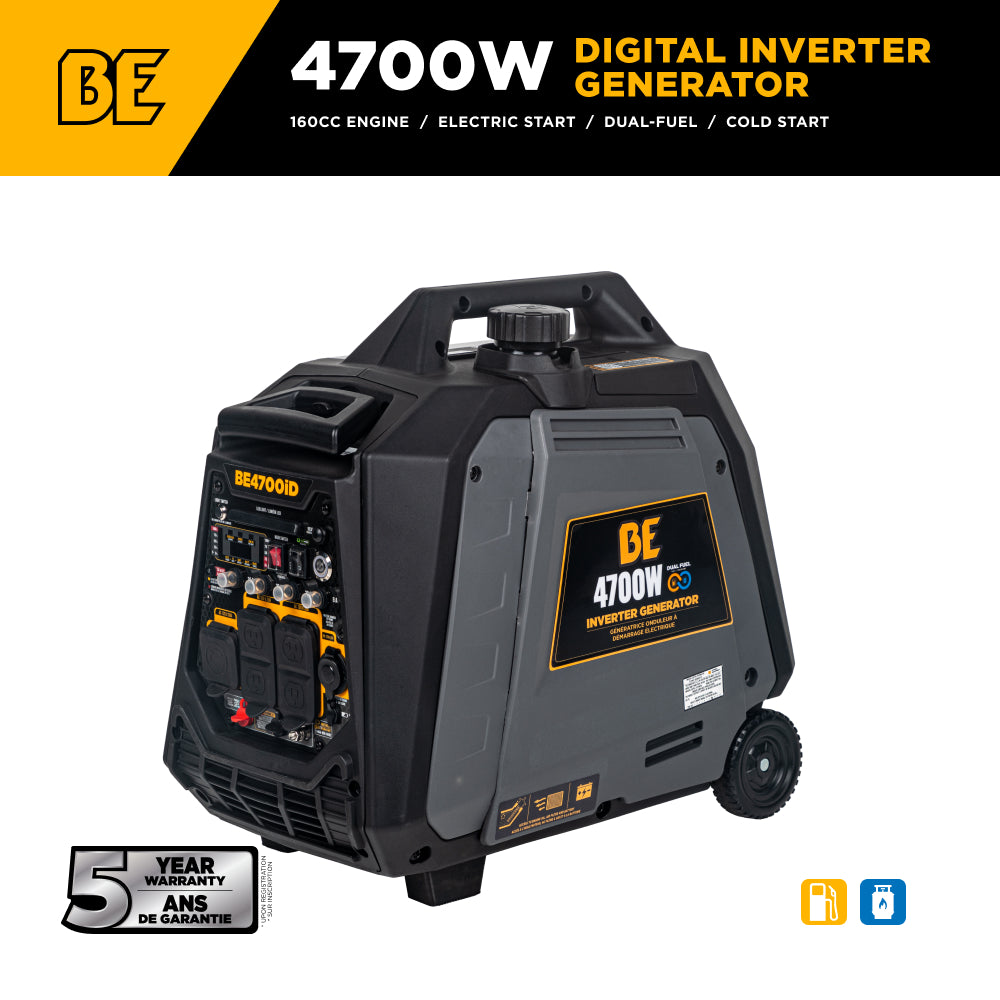
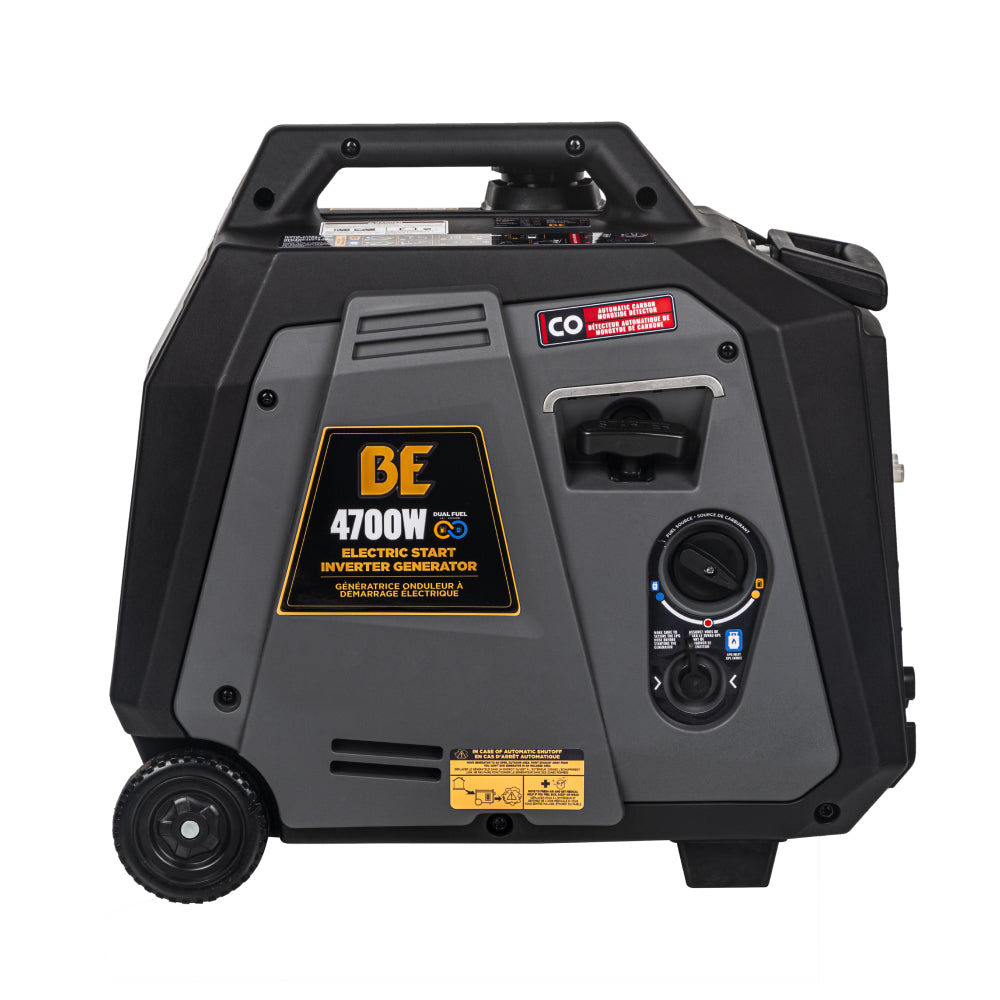
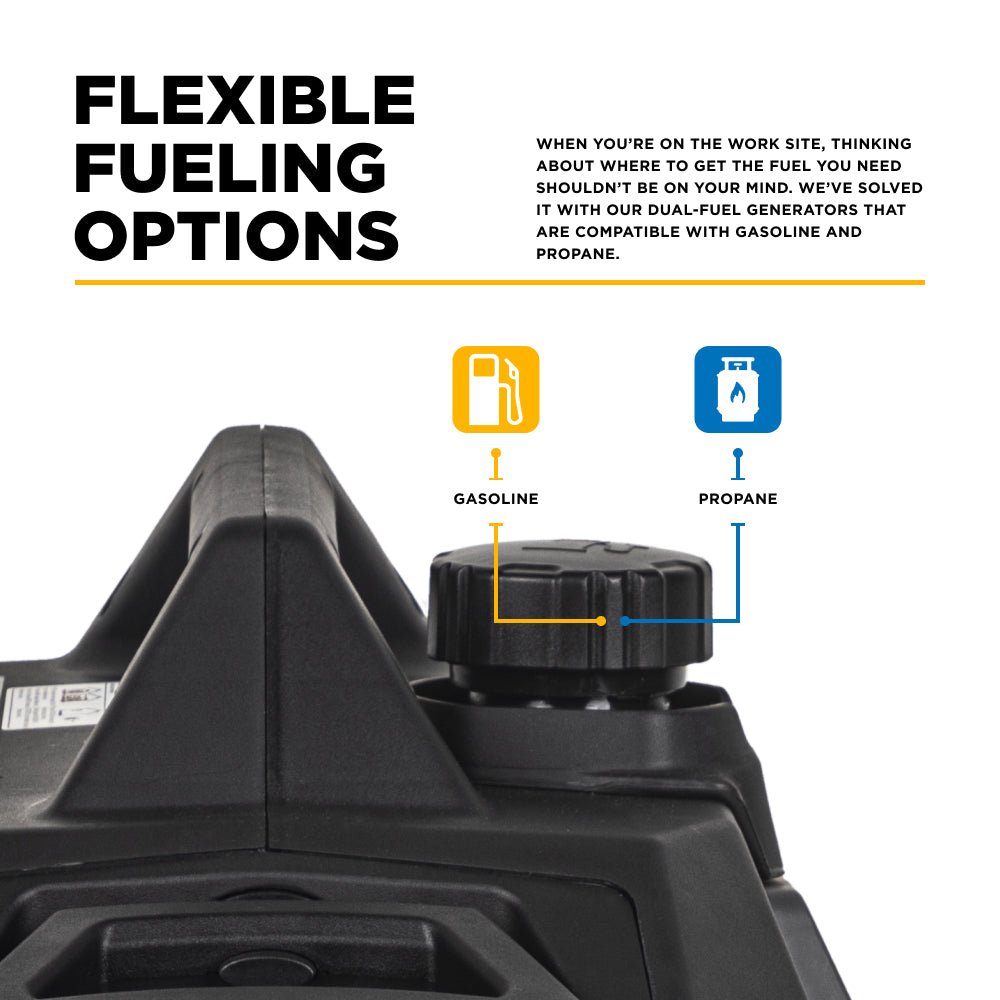
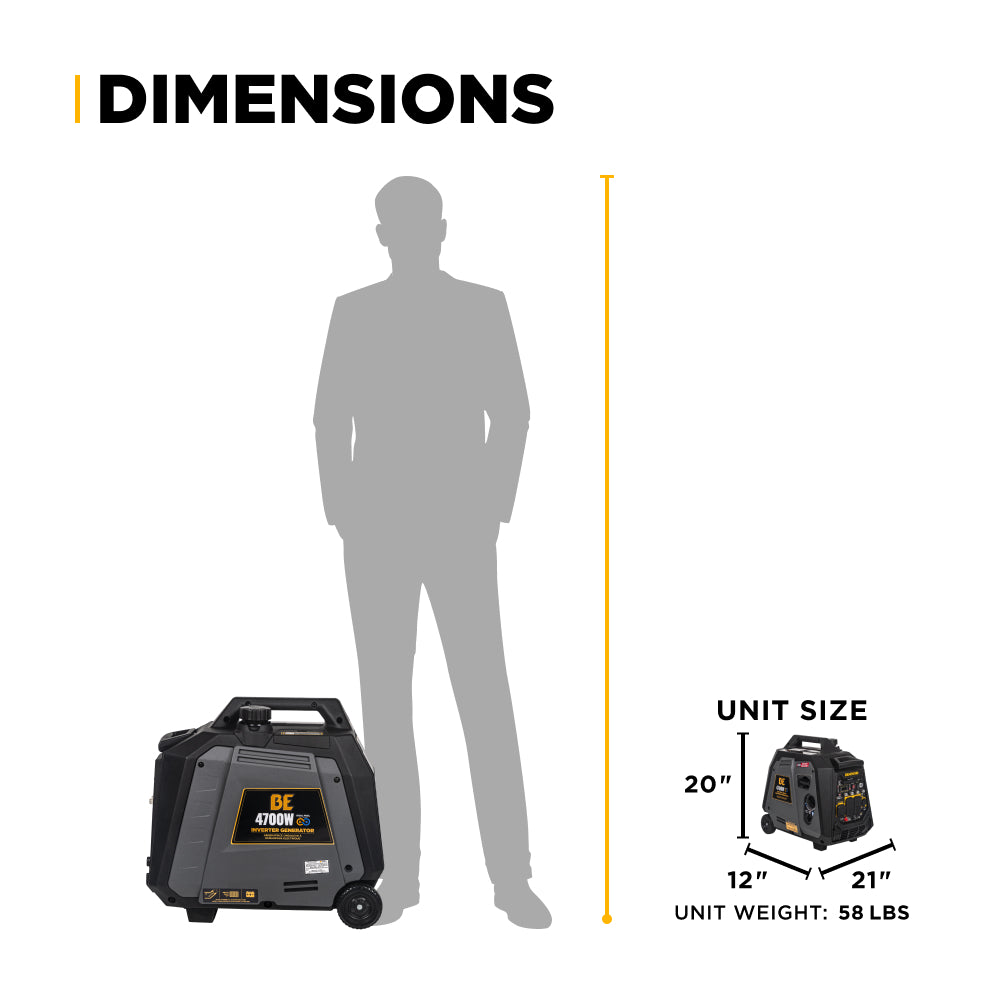
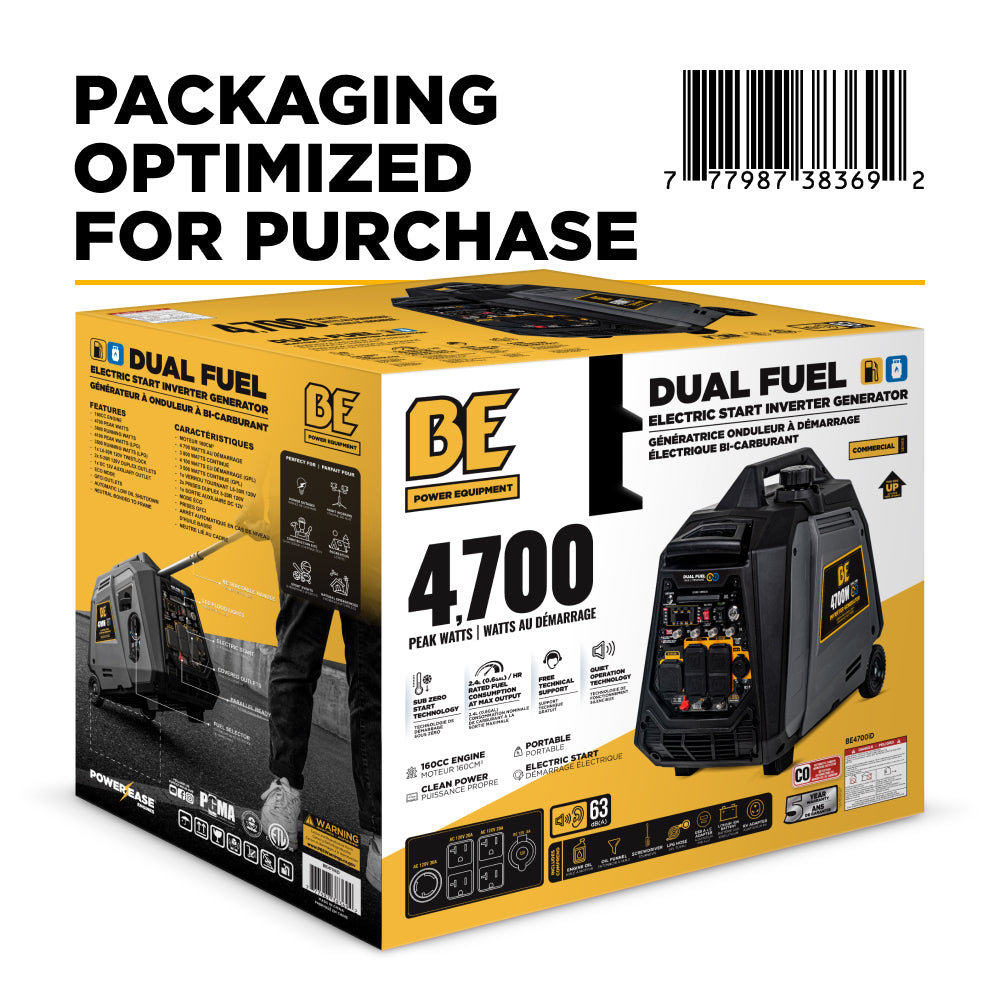
The BE Power Equipment BE4700iD is a dual fuel inverter generator that runs on gasoline or propane. It delivers 4,700 starting watts and 3,800 running watts on gas, or 4,000 starting watts and 3,500 running watts on LPG, all as clean 120 V power with total harmonic distortion held to 3% or less.
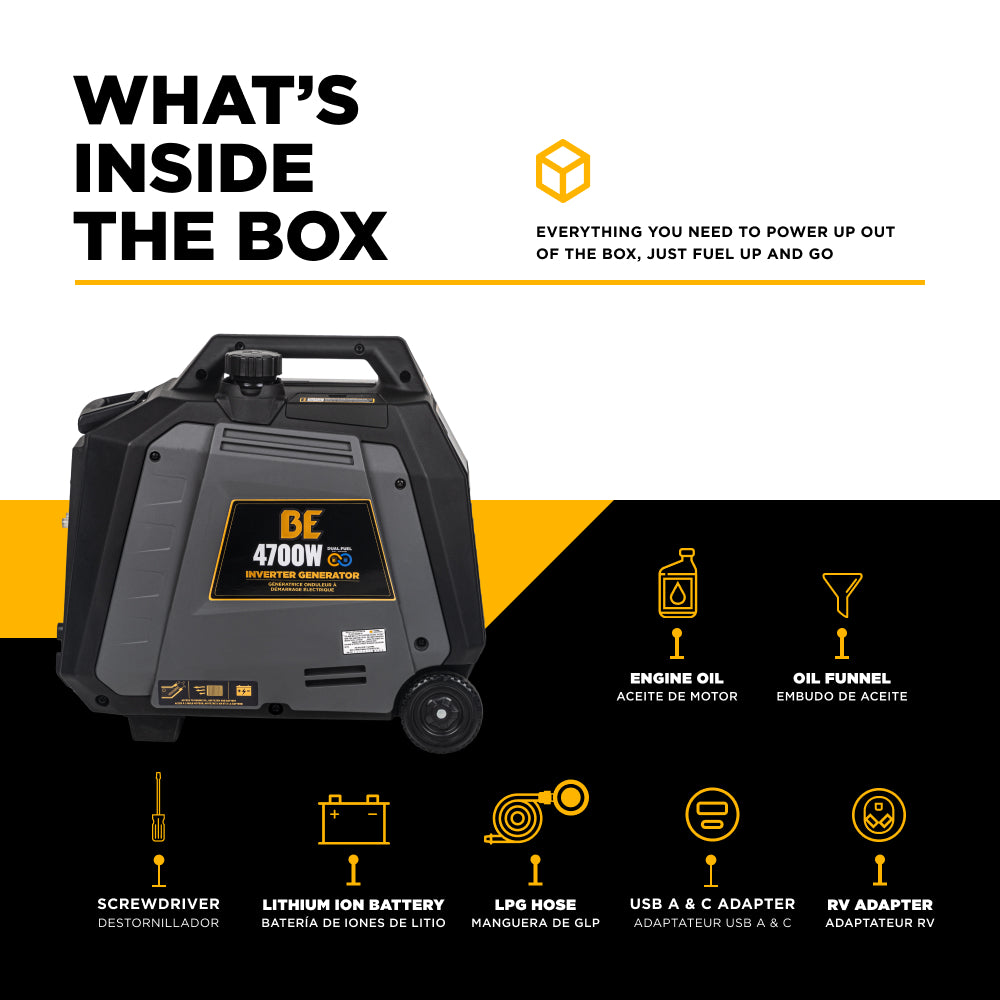
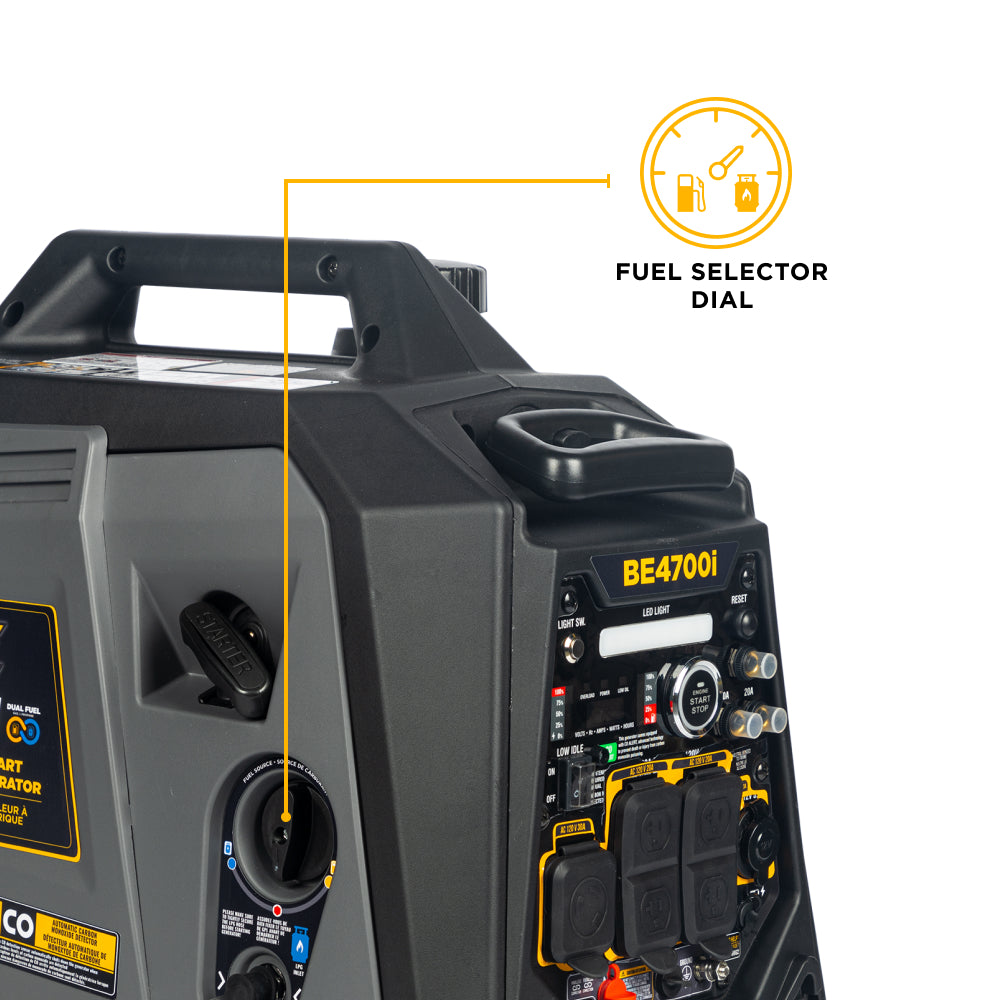
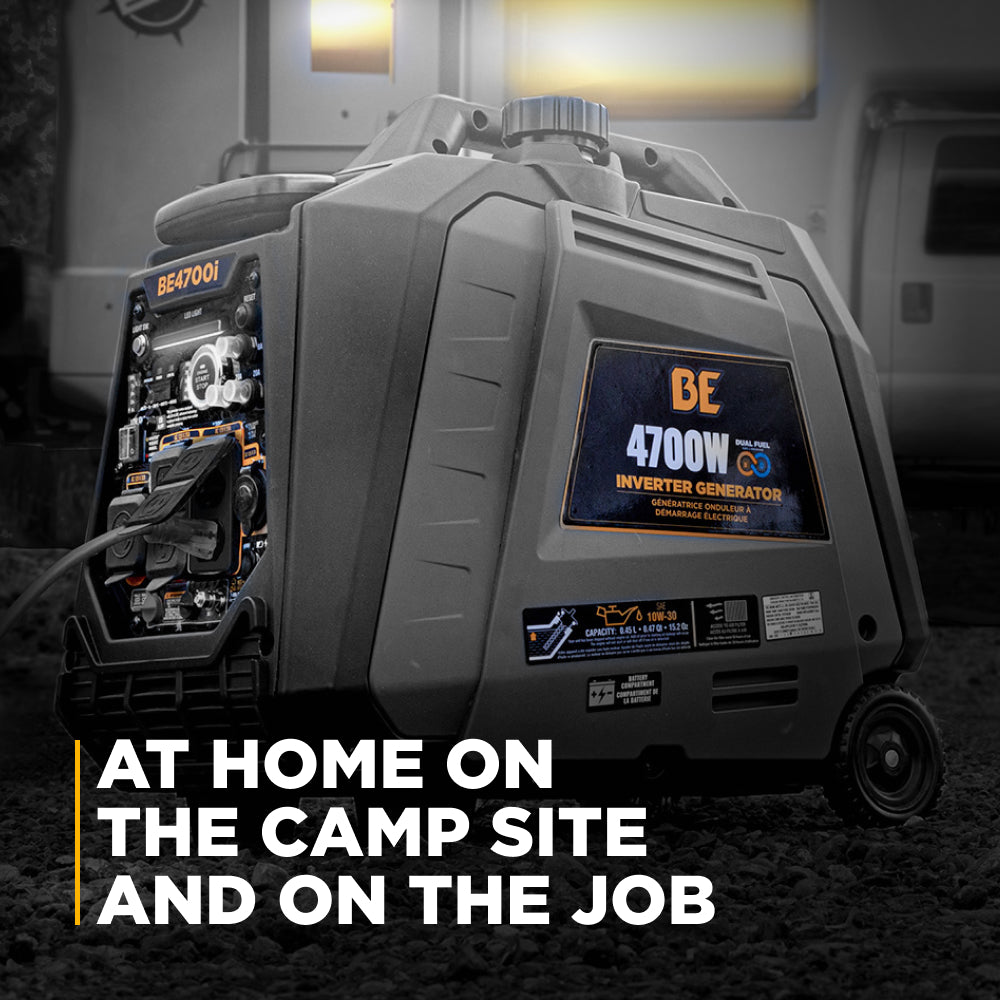
A 160 cc VTEK engine with one touch electric start and recoil backup gets you running fast, and a fuel type selector lets you switch between gas and propane. With an L5-30R outlet, an included TT-30R RV adapter, flat-free wheels, and a retractable handle, the BE4700iD is ready for RV trips, home backup, and job sites where fuel flexibility and quiet operation matter.
The BE4700iD is well suited for:
Run on gasoline from the 6 L (1.6 gal) tank or connect a propane supply with the included LPG hose. On gas, the unit runs up to 3.8 hours at half load.
The 160 cc VTEK engine starts at the push of a button using the included lithium-ion battery, with recoil start as a backup. An automatic choke and cold weather start capability help it start reliably in freezing temperatures.
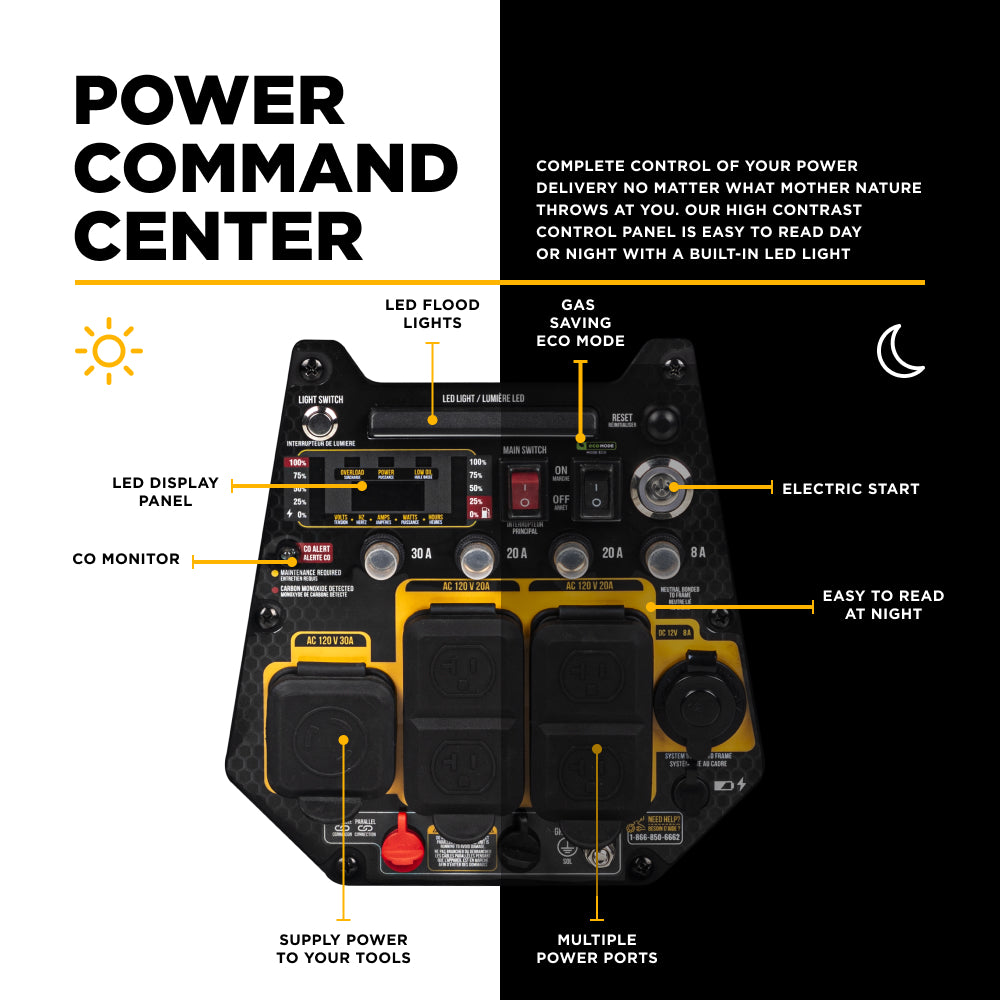
Eco mode automatically adjusts engine speed to match the load, helping reduce fuel consumption during lighter use.
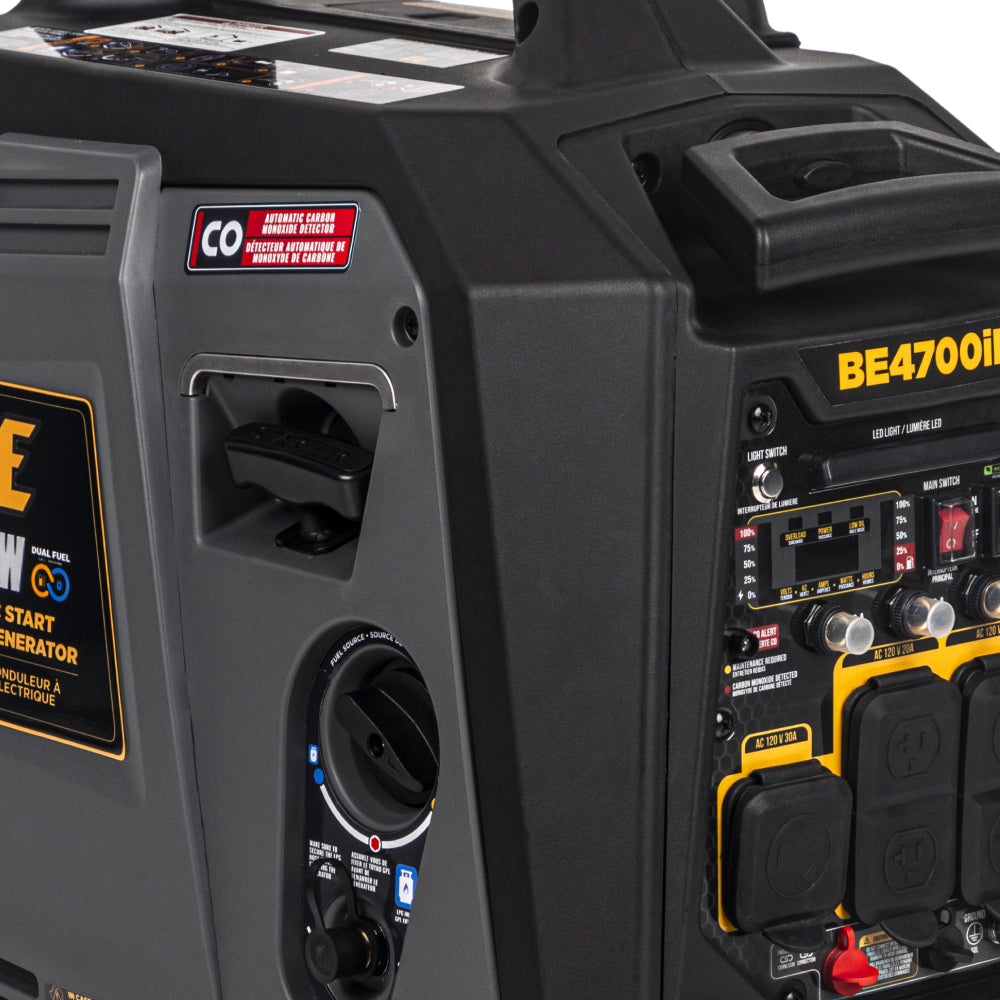
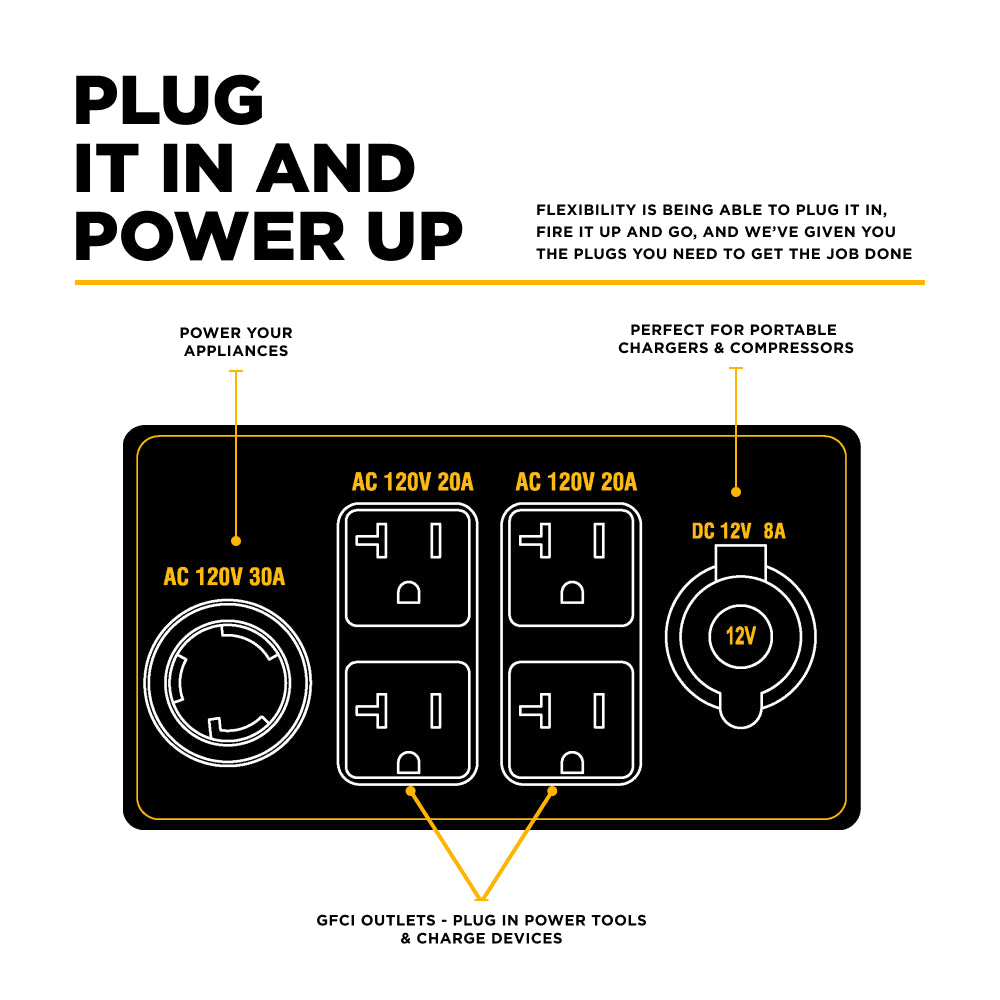
Two NEMA 5-20R outlets, one NEMA L5-30R outlet, and a 12 V DC port (8.3 A) cover tools, appliances, RVs, and battery charging.
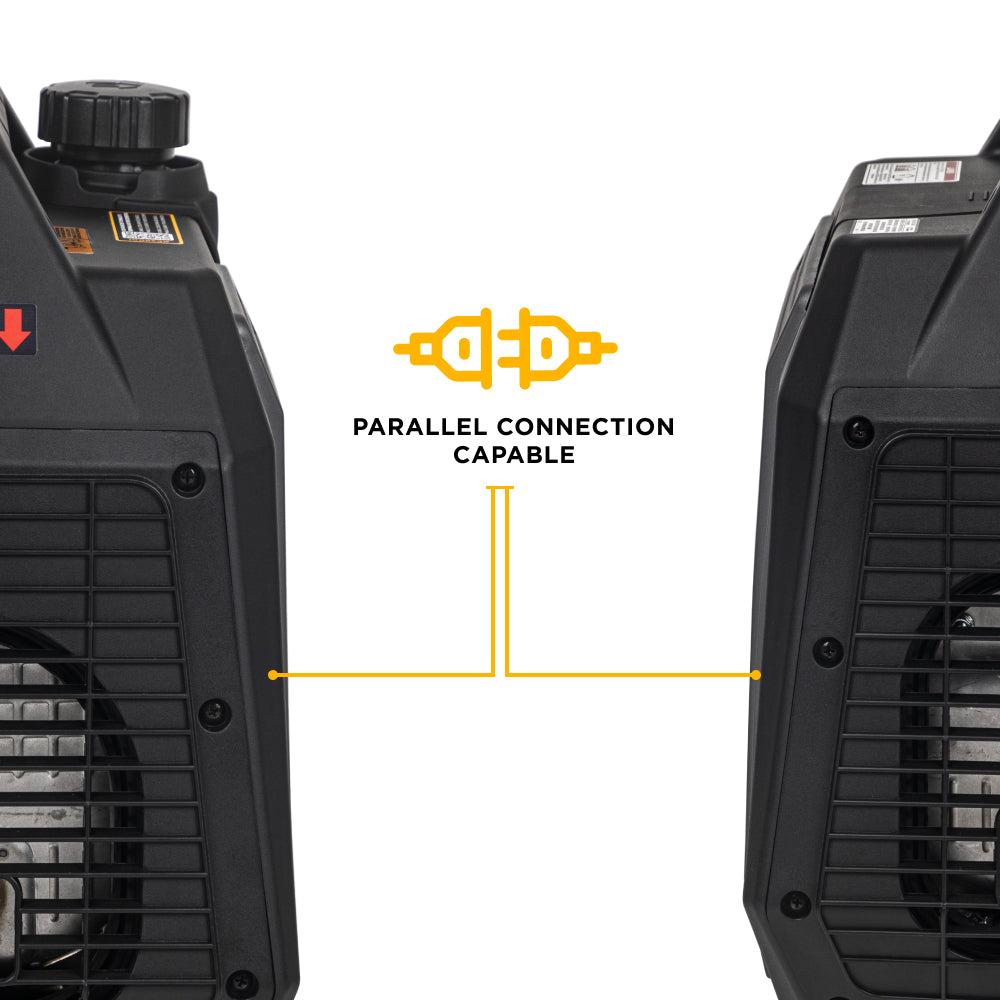
Link two units together with the BE 85.561.079 parallel kit for increased power output when you need it.
The sound dampening shell is rated at 64.3 dB at 7 m. A retractable handle and flat-free wheels make it easy to roll into place, and a built-in LED floodlight adds visibility after dark.
Actual product may differ slightly from images shown.
Compare the specifications of your chosen inverters to determine the right fit for your application.

|
Engine
|
VTEK 160 | - | - |
|
CC
|
160 | - | - |
|
Series
|
Commercial | - | - |
|
Fuel Consumption
|
2.4 L/HR (0.6 GAL/HR) | - | - |
|
Engine Start
|
Recoil & Electric | - | - |
|
Running Watts
|
3,800 | - | - |
|
Mac Watts
|
4,700 | - | - |
|
Volts
|
120 | - | - |
To ensure the durability of your heavy duty pressure washer:
A power washer is a cleaning machine that uses a gasoline engine to power a high pressure water pump and nozzle. It’s used to clean driveways, decks, vehicles, outdoor furniture and more by spraying water at high PSI to remove dirt, grime, mold and other debris.Many models also come with a detergent tank for added cleaning power.
A power washer works by drawing water from a connected hose and pumping it through a high pressure nozzle. The gas engine powers the pump which pressurizes the water and then expels it through the nozzle at high speed to clean the surface. The water pressure is measured in PSI (pounds per square inch) and the flow rate is measured in GPM (gallons per minute).Many models also feature adjustable water pressure settings to cater to different cleaning needs. BE makes pressure washing easy with models available for light jobs and heavy duty commercial cleaning projects.
The main difference is that a gas pressure washer, known for its cleaning power, is powered by a gasoline engine, making it more powerful and portable, while an electric pressure washer is powered by electricity and is generally quieter and lighter.
Gas pressure washers are for heavy duty and large areas due to their durability, whereas electric pressure washers are for smaller jobs.
Your BE electric pressure washer is perfect for smaller jobs and built for portability, and we offer a wide range of electric models. Included with our electric models is a long extension cord for use anywhere around your house.
When choosing a gas pressure washer consider:
The required pressure (PSI) and cleaning power depend on the surface you’re cleaning:
Many pressure washers come with adjustable pressure settings to handle different cleaning tasks effectively.
Yes, a power washer can damage surfaces if used incorrectly. High pressure water can strip paint, dent soft surfaces or even cause structural damage if the pressure is too high or the nozzle is held too close to the surface. Always use the right PSI for the material you’re cleaning and keep a safe distance from delicate surfaces.
To prevent damage, consider using a model with adjustable pressure settings.
To ensure the durability and smooth operation of a pressure washer:
You can use a pressure washer in cold weather but it’s more difficult. The water flow rate in the hoses and pump can freeze and damage the equipment. If you plan to use your pressure washer in cold temperatures make sure to winterize it and store it in a warm area when not in use. You can also use anti-freeze solutions for pressure washers.
Some models are designed to use hot water, which can be particularly effective for cleaning in cold weather.
Common accessories for power washers:


